Home › Minecraft › All 16 Dyes in Minecraft and How to Get Them
All 16 Dyes in Minecraft and How to Get Them
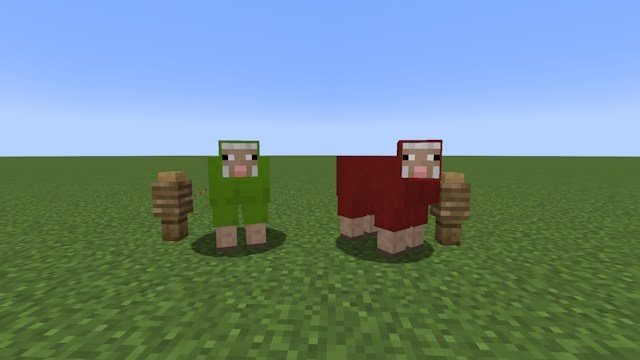
Colour is half of building in Minecraft, and every coloured block starts with dye. There are 16 dyes in the game, and they fall into three families: dyes you harvest directly from the world, dyes you smelt, and dyes that only exist because you mixed two others together. Here is every single one, where it comes from, and what to do with the lot of them.
All 16 Dyes and How to Get Each One
| Dye | How to get it |
|---|---|
| White | Craft from bone meal or a lily of the valley |
| Black | Craft from an ink sac (kill a squid) or a wither rose |
| Gray | Mix black dye + white dye (yields 2) |
| Light gray | Craft from an azure bluet, oxeye daisy or white tulip; or mix gray + white, or black + 2 white |
| Brown | Craft from cocoa beans, which grow on jungle trees |
| Red | Craft from a poppy, red tulip, rose bush or beetroot |
| Orange | Craft from an orange tulip or torchflower; or mix red + yellow |
| Yellow | Craft from a dandelion or sunflower |
| Green | Smelt a cactus in a furnace — the only dye that needs cooking |
| Lime | Mix green + white; or smelt a sea pickle |
| Blue | Craft from lapis lazuli or a cornflower |
| Cyan | Mix green + blue; or craft from a pitcher plant |
| Light blue | Craft from a blue orchid; or mix blue + white |
| Magenta | Craft from an allium or lilac; or mix purple + pink |
| Purple | Mix blue + red — it has no natural source |
| Pink | Craft from a peony, pink tulip or pink petals; or mix red + white |
A few patterns make the whole system easy to remember. Most flower dyes come from the flower forests and plains where those flowers grow, and most mixed dyes follow ordinary colour logic — red and yellow make orange, blue and red make purple. White is the great lightener: add it to black, green, blue or red and you get the pale version of each. And if gathering feels slow, a wandering trader will sell three of any dye for a single emerald, while shepherd villagers trade in dyes in bulk once levelled up.
The rarest of the sixteen is brown: cocoa beans generate only on jungle tree trunks, so until you have found a jungle, brown is off the menu. Green is the odd one out in the other direction — no flower provides it, and you must always smelt cactus, which at least grows abundantly in deserts and badlands.
What Dyes Are Used For
- Wool and sheep — dye wool blocks directly, or dye the sheep itself and shear coloured wool forever
- Terracotta — one dye ringed by eight terracotta stains all eight blocks at once
- Glass — the same 8-and-1 pattern makes stained glass and panes
- Concrete powder — dye is a mandatory ingredient, and the colour cannot be changed afterwards
- Beds, candles and shulker boxes — combine any of them with a dye to recolour them
- Leather armour — dyed in a crafting grid on Java, or in a cauldron of coloured water on Bedrock
- Banners — dyes drive every pattern you apply at a loom
- Firework stars — up to eight dyes set the colours of the explosion
- Signs — use dye on sign text to colour it, and a glow ink sac to make it shine
One efficient habit ties it all together: dye the sheep, not the wool. A dyed sheep regrows its colour after every shearing, so a single dye can pay out indefinitely — which is exactly why the automatic wool farm keeps one dyed sheep per colour.
Frequently asked questions
What is the rarest dye in Minecraft?
Brown dye. It only comes from cocoa beans, which grow exclusively on jungle trees, so you cannot make it until you have found a jungle biome.
How do you make green dye in Minecraft?
By smelting a cactus in a furnace. It is the only dye produced by cooking, and cactus is plentiful in desert and badlands biomes.
Can you buy dyes in Minecraft?
Yes. Wandering traders sell three pieces of any dye for one emerald, and levelled-up shepherd villagers offer dyes in larger quantities.
Does kelp make dye in Minecraft?
No. Despite being a green plant, kelp cannot be turned into any dye — green dye specifically requires smelted cactus (or a sea pickle smelted into lime, not green).
More Minecraft guides
 All Minecraft Villager Jobs ExplainedUpdated 12 November 2026
 Woodland Mansion in Minecraft: How to Find and Loot OneUpdated 12 November 2026
 Mineshafts in Minecraft: Loot, Cave Spiders and How to Find OneUpdated 12 November 2026
 Redstone Components in Minecraft: A Complete GuideUpdated 12 November 2026
 All Wolf Variants in Minecraft and Where to Find ThemUpdated 12 November 2026