Home › Minecraft › Minecraft Biomes Guide: Every Biome Explained
Minecraft Biomes Guide: Every Biome Explained
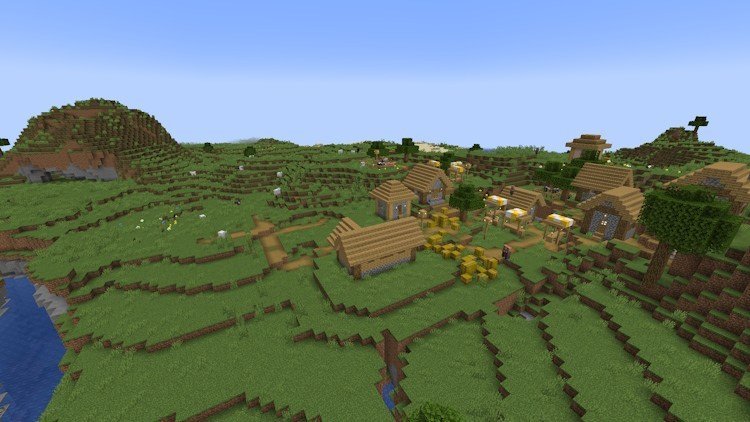
Two players can spawn into the same game and have completely different adventures, and biomes are the reason. A biome is a region with its own terrain, weather, blocks, mobs and structures — grass colour changes, the trees change, even the water changes colour as you cross an invisible border. This guide maps out every family of biomes and what makes each one worth visiting.
How to Tell Which Biome You Are In
On Java Edition, press F3 and the debug screen names your current biome directly. Bedrock players do not get that readout and must judge by terrain and vegetation instead. Biomes are decided by temperature and humidity when the world generates, which is why cold biomes cluster together and you will never find a desert naturally bordered by a snowy tundra.
Temperate Overworld Biomes
- Plains: flat, bright and full of horses, farm animals and the odd village. The default choice for a big base.
- Sunflower Plains: a rare plains variant and the only natural home of sunflowers.
- Forest: oak and birch in abundance, wolves among the trees — the classic spawn biome.
- Flower Forest: fewer trees, every flower type in the game, and bee nests everywhere; the best dye-gathering spot there is.
- Birch Forest and Old Growth Birch Forest: birch-only woodland; the old growth variant grows birches up to 14 blocks tall and can hide trail ruins.
- Dark Forest: a canopy of dark oak so dense that hostile mobs can survive the daylight — and the only biome with woodland mansions.
- Meadow: high-altitude flower fields on mountain slopes, with lone trees and plenty of bees.
- Cherry Grove: pink-petalled cherry trees on elevated green slopes; beautiful, and found on mountainsides.
Lush and Tropical Biomes
- Jungle: dense, green and difficult to cross, but home to parrots, ocelots, pandas, cocoa and melons, plus jungle pyramids.
- Sparse Jungle: a thinner jungle edge that keeps the bright grass and flattens the terrain — a genuinely good base spot.
- Bamboo Jungle: bamboo thickets instead of trees, podzol underfoot, pandas galore.
- Swamp: shallow murky water, lily pads, slimes on full moons — and witch huts.
- Mangrove Swamp: mud, mangrove roots and frogs; the only place to get mangrove wood and mud blocks naturally.
Dry and Hot Biomes
- Desert: sand, cacti, husks and rabbits, hiding desert pyramids, villages and fossils. Rich in structures, poor in wood and food.
- Savanna: flat acacia grassland with horses and villages; its plateau and windswept variants rise into dramatic cliffs.
- Badlands: terracotta mesas in reds and oranges, extra gold ore near the surface, and exposed mineshafts. Wooded badlands add oak trees on top.
Cold and Mountain Biomes
- Taiga: spruce forest with foxes, wolves, sweet berries and taiga villages.
- Old Growth Pine and Spruce Taiga: giant 2x2 spruce trees, podzol, mossy boulders and mushrooms — superb for bulk spruce wood.
- Snowy Plains and Snowy Taiga: snow-covered starts with polar bears, strays, rabbits and igloos, some hiding a secret basement.
- Ice Spikes: a rare frozen landscape of packed ice spikes — the easiest source of packed ice in the game.
- Groves, snowy slopes and the peaks: mountain biomes ranging from powder-snow slopes (mind the goats, and wear leather boots) to jagged and frozen peaks where emerald ore and ancient cities hide below.
Ocean and Cave Biomes
Oceans come in warm, lukewarm, cold, frozen and deep variants. Warm oceans grow coral reefs and tropical fish; ocean monuments — guarded by elder guardians — sit in the deep ones. Underground, three cave biomes generate below any surface: lush caves full of glow berries, moss and axolotls; dripstone caves with pointed dripstone and huge copper veins; and the deep dark, where sculk spreads, ancient cities wait, and the Warden listens.
Nether and End Biomes
The Nether has five biomes: the classic wastes, soul sand valleys full of fossils and ghasts, crimson forests where hoglins roam, warped forests — the safest Nether biome, thick with endermen — and basalt deltas of blackstone and magma. The End splits into the main island, the barren End highlands and midlands, End city islands, and the small gateway islands bridging them.
The Rarest Biomes
Three hunts are worth bragging about. The mushroom fields — a mooshroom island where no hostile mobs can spawn at all. The ice spikes, glittering and genuinely uncommon. And the pale garden, a desaturated forest of pale oak where the Creaking watches you move. Find any of these on foot, without a seed map, and you have earned the screenshot.
Frequently asked questions
How many biomes are there in Minecraft?
More than 60 in total: 53 in the Overworld (including cave and ocean variants), 5 in the Nether and 5 in the End.
How can you check which biome you are in?
On Java Edition, press F3 — the debug screen lists your current biome. Bedrock has no built-in readout, so you identify biomes by their terrain, trees and mobs.
What is the rarest biome in Minecraft?
The mushroom fields are among the rarest, generating as isolated islands far from continents. Ice spikes and the old growth birch forest are also notably uncommon.
Which biome is best for a base?
Plains are the classic pick — flat land, animals, horses and villages nearby. Sparse jungle, meadows and savannas are also excellent flat, resource-friendly choices.
More Minecraft guides
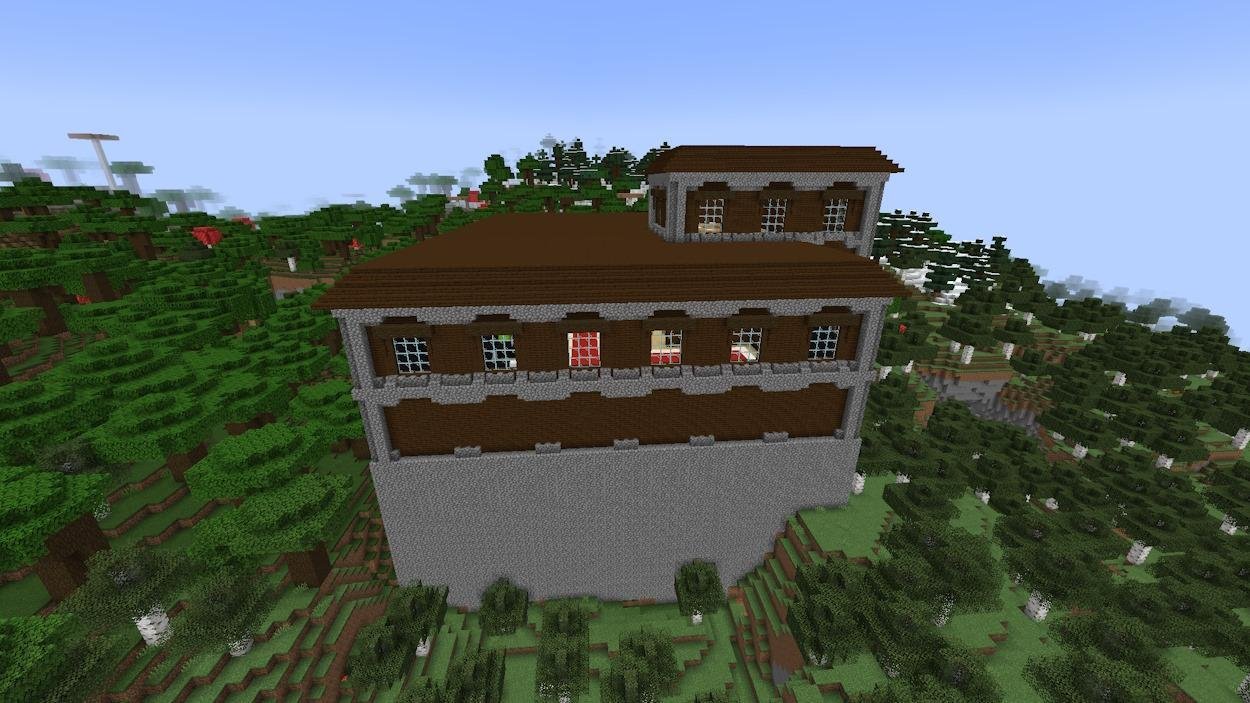 Woodland Mansion in Minecraft: How to Find and Loot OneUpdated 12 November 2026
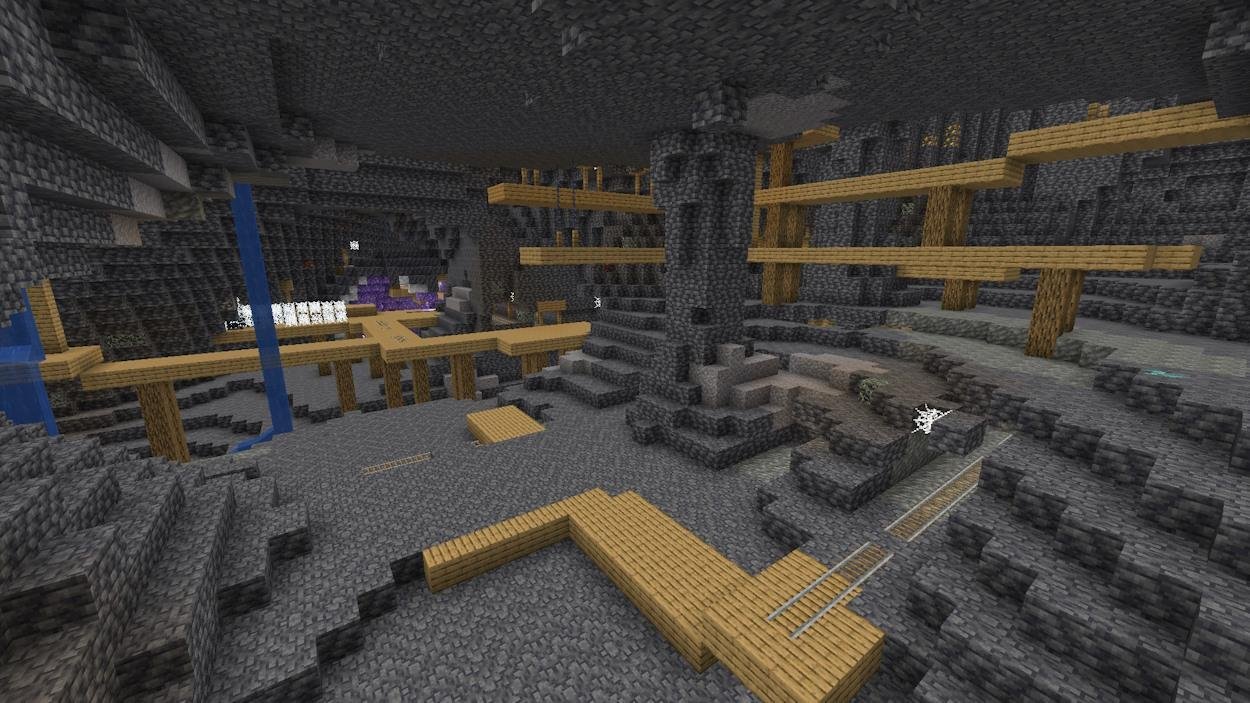 Mineshafts in Minecraft: Loot, Cave Spiders and How to Find OneUpdated 12 November 2026
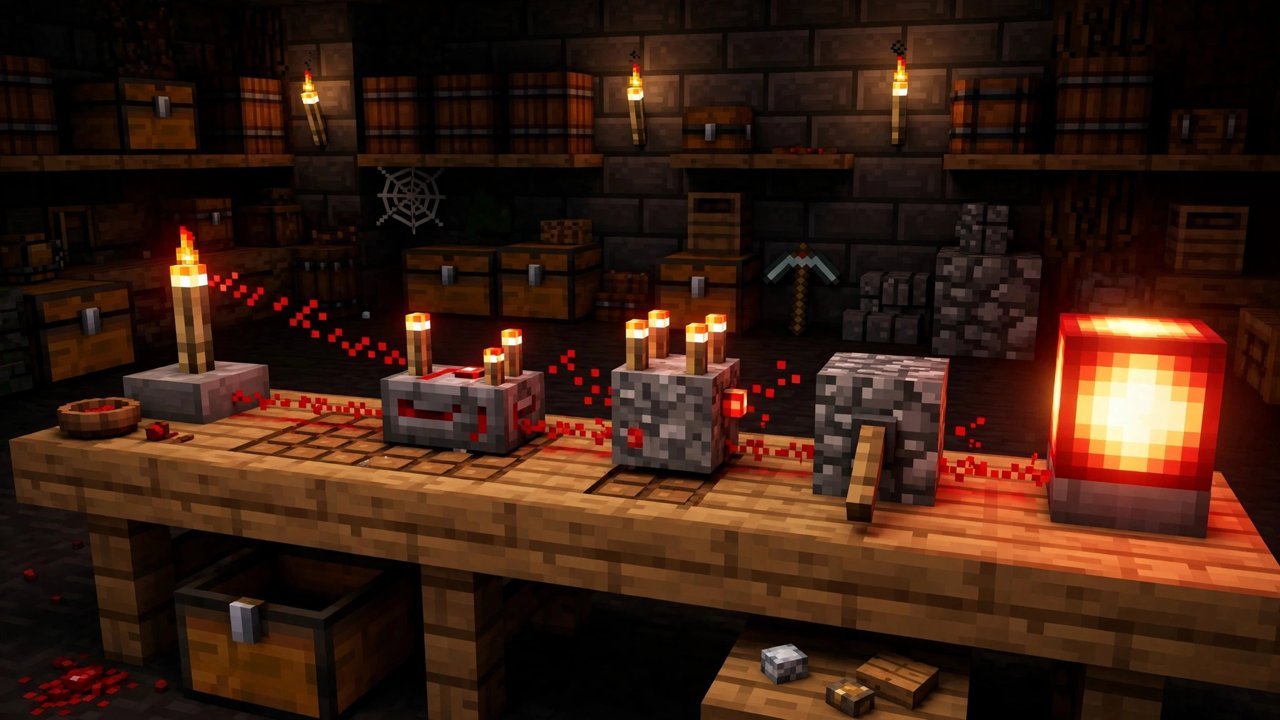 Redstone Components in Minecraft: A Complete GuideUpdated 12 November 2026
 What Does Smite Do in Minecraft? Smite Enchantment GuideUpdated 12 November 2026
 All Wolf Variants in Minecraft and Where to Find ThemUpdated 12 November 2026