Home › Minecraft › How to Make Terracotta in Minecraft
How to Make Terracotta in Minecraft
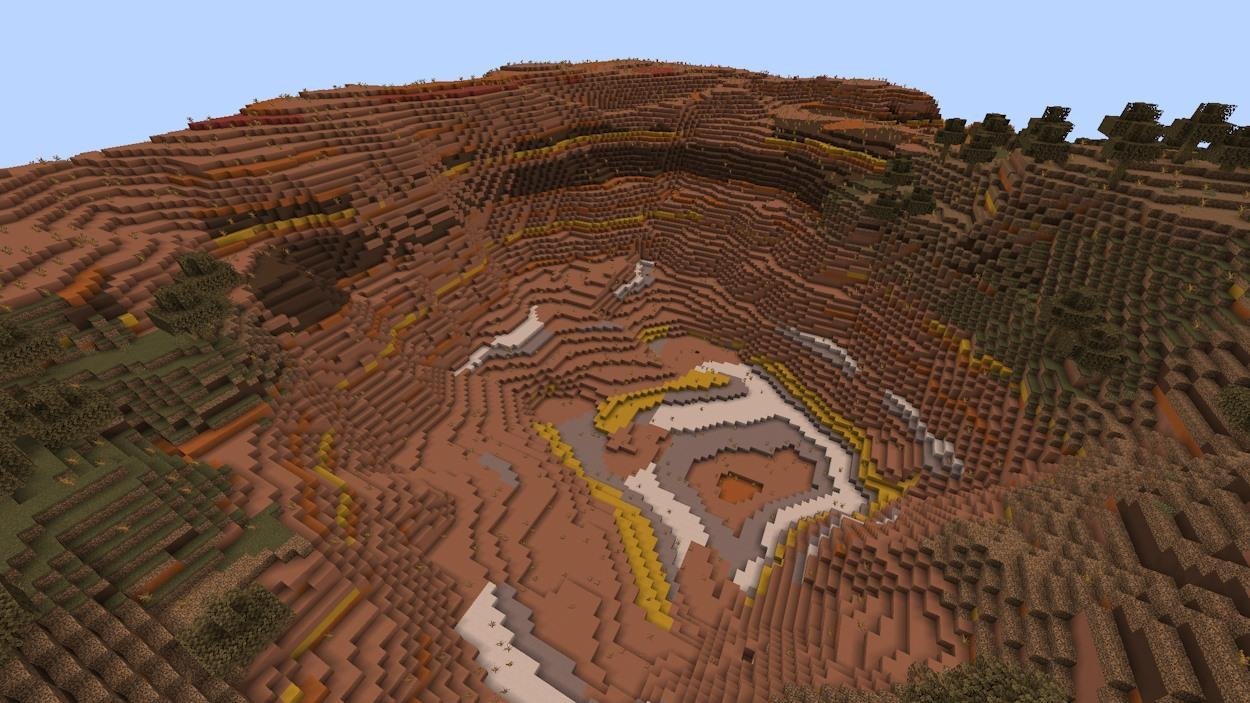
Terracotta is the builder's quiet workhorse: a muted, earthy block that sits comfortably next to stone and wood where concrete would shout. It also hides a two-stage color system — sixteen dyed variants and sixteen glazed patterns — that turns one plain block into thirty-three distinct building materials. Everything starts with clay and a furnace.
How to Make Terracotta
The recipe could not be simpler: smelt a clay block, get a terracotta block, plus a little experience for your trouble. What you need:
- Clay blocks — dig clay balls from shallow water (swamps and lush caves are dense with them) and combine four balls into one block, or mine the block directly with a Silk Touch shovel.
- A furnace — eight cobblestone.
- Any fuel — coal, charcoal, planks, even sticks in a pinch.
Fuel goes in the bottom slot, the clay block in the top, and a few seconds later the pale orange-brown terracotta appears in the result slot. That base color is fixed — every piece of plain terracotta looks the same — which is exactly why the dyeing step below matters.
Where Terracotta Generates Naturally
If you need terracotta in serious quantities, skip the furnace and go to the badlands. That entire biome is banded with striped layers of terracotta in several natural colors, mineable by the inventory-load. Smaller amounts decorate desert pyramids, ocean ruins, trail ruins, and certain village houses, but the badlands is the only place that qualifies as a quarry. A beacon with Haste set up there makes harvesting almost absurdly fast.
How to Dye Terracotta
Dyeing terracotta works in batches of eight, and it happens on a crafting table:
- Place one dye in the center slot of the 3×3 grid.
- Fill all eight surrounding slots with plain terracotta blocks.
- Collect eight dyed terracotta blocks in your chosen color.
Every dye in the game works, giving you the full sixteen-color set from white through black. Note that you can only dye the plain, undyed block — there is no re-dyeing a colored piece into a different color — so smelt enough base terracotta to cover each color run you plan.
How to Make Glazed Terracotta
Glazed terracotta is terracotta's flamboyant second form. Take any dyed terracotta block and smelt it in a furnace a second time; it emerges glossy, with a bold geometric pattern unique to that color. Sixteen colors means sixteen different patterns, and each pattern tiles in four rotations, so floors and walls built from it can look woven, sunburst, or emblem-like depending on how you place the blocks.
One warning: plain terracotta cannot be glazed. Smelting the undyed block again does nothing new — the glaze only forms on blocks that were dyed first.
Terracotta's Hidden Crafting Job
Beyond building, regular terracotta has one modern crafting role: it is the block used to duplicate four trail-ruins armor trims — the Host, Wayfinder, Raiser, and Shaper smithing templates. Duplicate a trim with seven diamonds, the template, and a block of terracotta in the middle slot. For a block most players treat as pure decoration, that is a genuinely valuable side job — and one more reason to keep a stack of plain terracotta on hand.
Frequently asked questions
Can you make terracotta bricks or slabs?
No. Terracotta has no brick, slab, or stair variants in the game. Your options are the plain block, the 16 dyed versions, and the 16 glazed patterns.
Can you farm terracotta automatically?
Only semi-automatically, through a long conversion chain — moss farming to podzol, dirt to mud, drying mud into clay over dripstone, then smelting. Most players simply mine the badlands instead.
Why didn't my terracotta turn glazed in the furnace?
Glazing only works on dyed terracotta. Smelting plain terracotta a second time changes nothing; dye the block first, then smelt it.
Where is the most terracotta in one place?
The badlands biome, which generates in huge striped bands of multiple terracotta colors. Desert pyramids, ocean ruins, and trail ruins contain only small amounts.
More Minecraft guides
 Woodland Mansion in Minecraft: How to Find and Loot OneUpdated 12 November 2026
 Mineshafts in Minecraft: Loot, Cave Spiders and How to Find OneUpdated 12 November 2026
 Redstone Components in Minecraft: A Complete GuideUpdated 12 November 2026
 What Does Smite Do in Minecraft? Smite Enchantment GuideUpdated 12 November 2026
 All Wolf Variants in Minecraft and Where to Find ThemUpdated 12 November 2026