Home › Minecraft › How to Make and Use a Brush in Minecraft
How to Make and Use a Brush in Minecraft
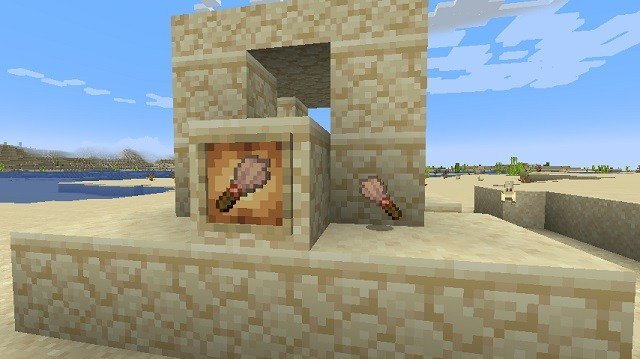
Most Minecraft tools smash, cut or dig. The brush persuades. It is the key to the game's archaeology system, a gentle instrument for coaxing treasure out of fragile blocks that a shovel would simply destroy. One brush, a little patience, and the deserts and ruins of your world turn into a museum waiting to be catalogued.
The Brush Recipe
The brush is crafted in a single vertical column, in any column of the grid:
- Top: 1 feather
- Middle: 1 copper ingot
- Bottom: 1 stick
None of the ingredients is exotic. Feathers come from chickens, which drop up to two each, and occasionally arrive as gifts from tamed cats. Sticks are two planks stacked vertically, or picked up from dead bushes in the very deserts you will be excavating. Copper is the only mined part: dig up copper ore with a stone pickaxe or better, then smelt the raw copper into an ingot in any furnace. One quick caving trip funds a whole archaeology career.
Finding Suspicious Blocks
Brushes work on exactly two block types: suspicious sand and suspicious gravel. Both look like their ordinary cousins with a rougher, grainier texture, and learning to spot that texture at a glance is the archaeologist's core skill. The classic hunting grounds:
- Desert wells and desert pyramids for suspicious sand; the well's buried chamber is the traditional first dig
- Ocean ruins, warm water for sand and cold water for gravel
- Trail ruins, where suspicious gravel hides among the buried streets and houses
How Brushing Works
Equip the brush, aim at a suspicious block and hold the use button. The block works through visible cracking stages while an item rises out of it, pottery sherds, armour trims, seeds, candles, even the occasional valuable. When the item fully emerges it pops into your inventory and the block settles into plain sand or gravel. Two disciplines matter. First, do not mine or break the block mid-brush, and do not let it fall: a suspicious block that falls and breaks takes its loot with it. Undercutting the block beneath a trail ruins pile is the classic way to lose a sherd. Second, work methodically; these blocks blend in well enough that even careful players walk past half the dig site.
Durability, Enchantments and Repairs
Every fully brushed item wears the tool: a fresh brush survives 64 completed excavations before it breaks, which clears a modest ruin room but not a whole trail ruins complex, so pack a spare for the big digs. Brushes cannot be enchanted at an enchanting table. What you can do is apply books at an anvil: Unbreaking stretches its life and Mending repairs it with experience, the combination every serious excavator runs. Curse of Vanishing also applies, if you enjoy losing things. Repairs without Mending are done by combining two brushes in a crafting grid, which merges their remaining durability and adds a 5% bonus, but be careful: grid-combining strips enchantments, so an enchanted brush should only ever meet another brush inside an anvil.
Frequently asked questions
What is the brush recipe in Minecraft?
A feather on top, a copper ingot in the middle and a stick at the bottom, arranged in one vertical column of the crafting grid. Any column works.
Why did a suspicious block break without giving loot?
If a suspicious sand or gravel block falls or is broken before brushing finishes, the hidden item is destroyed. Support the block from below and keep holding the brush until the item emerges.
Can you enchant a brush?
Not at an enchanting table. Use enchanted books at an anvil instead: Unbreaking and Mending are the two that matter for a working archaeology brush.
Where is the easiest suspicious sand to find?
Desert wells. The sand buried in the small chamber at the bottom of a desert well is the classic first archaeology dig, with desert pyramids and trail ruins offering much bigger hauls.
More Minecraft guides
 Redstone Components in Minecraft: A Complete GuideUpdated 12 November 2026
 Respiration Enchantment in Minecraft: Breathe Longer UnderwaterUpdated 12 November 2026
 What Does Smite Do in Minecraft? Smite Enchantment GuideUpdated 12 November 2026
 What Do Horses Eat in Minecraft? Every Food and Its EffectsUpdated 12 November 2026
 All Wolf Variants in Minecraft and Where to Find ThemUpdated 12 November 2026