Home › Minecraft › How to Get a Dried Ghast in Minecraft
How to Get a Dried Ghast in Minecraft
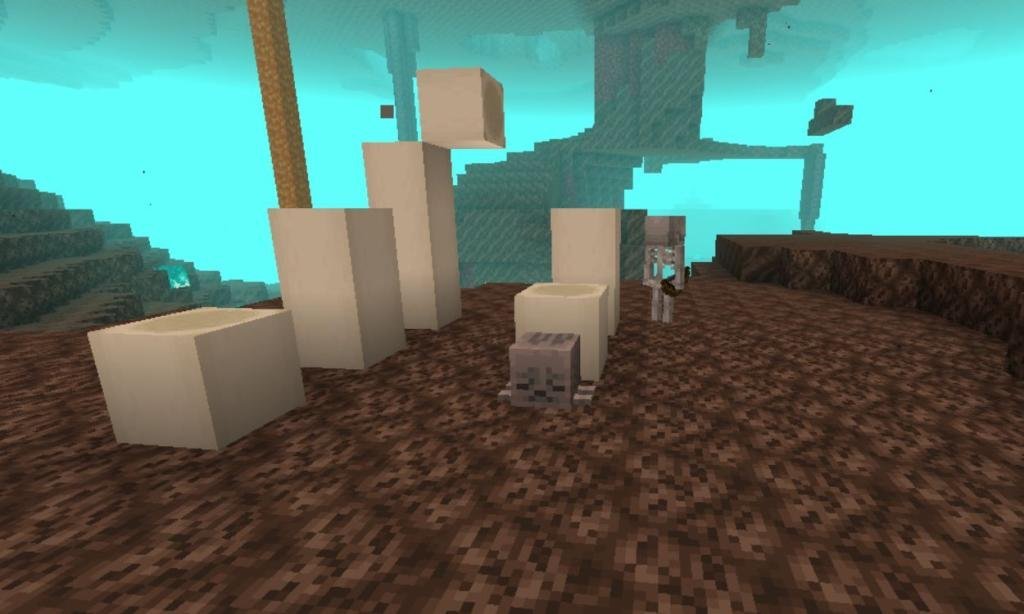
The dried ghast looks like the saddest block in Minecraft — a small, shriveled, grumpy cube. It is also the starting point of one of the game's best features, because a rehydrated dried ghast grows into a ghastling and then a happy ghast you can fly. All three ways of getting one lead into the Nether, so gear up before you go.
Method 1: Find One at a Nether Fossil
Dried ghasts generate naturally in soul sand valleys, tucked into the Nether fossils that rise out of the grey-brown soul sand and soul soil. Look for the big white bone structures; the dried ghast sits nestled between the bone blocks. Each fossil has roughly a 33.3% chance of containing one, so you may need to check a few.
Break the block with your hand or any tool to collect it. Soul sand valleys are crawling with skeletons, so bring a shield and watch your back while you search.
Spotting a Soul Sand Valley
The valley is hard to miss once you know the signs: blue soul fire flames flickering in the distance, ash-like particles drifting through the air, and ground made almost entirely of soul sand and soul soil in washed-out grey-brown tones. It is one of the most open Nether biomes, which cuts both ways — fossils stand out clearly against the flat ground, but skeletons and ghasts get a clear line of sight on you, too. Move between the bone structures, check each one thoroughly, and resist strip-mining the soul sand; the block is only in the fossils. Wearing a piece of gold armor will not help with the skeletons, but it keeps piglins neutral if your search wanders toward a bastion, and fire resistance potions are cheap insurance anywhere in the Nether.
Method 2: Craft It with Ghast Tears
If fossils refuse to cooperate, craft the block instead. The recipe needs Nether ingredients only:
- 8 ghast tears — dropped by ghasts when killed
- 1 soul sand block — dug anywhere in a soul sand valley
Place the soul sand in the center of the crafting grid and surround it with the eight ghast tears. Out comes one dried ghast. Hunting ghasts is the slow part — a bow and a good vantage point over a lava lake make it much easier, and try not to let the tears fall into the lava.
Method 3: Barter with Piglins
The last route is pure luck. Wear at least one piece of gold armor so piglins leave you alone, then toss a gold ingot in front of one. Among the many items it can throw back, there is a tiny 2.13% chance of receiving a dried ghast. It is worth knowing about if you barter a lot anyway, but nobody should rely on it as their main plan.
What to Do with a Dried Ghast
Bring the block home and place it in water — a small pond, a cauldron-adjacent pool, or a purpose-built pen at your base all work; a fenced 5x5 pool near home is the setup most players settle on. It slowly rehydrates, its grumpy expression softens, and it hatches into a ghastling. Feed the ghastling snowballs to keep it happy and growing, give it around twenty minutes, and it becomes a full happy ghast. Craft a harness, saddle it up, and you have a flying mount that can carry you — and eventually passengers and even other mobs — anywhere in your world. It is a remarkable glow-up for the saddest block in the game, and it starts with one trip to a fossil.
Frequently asked questions
Where do dried ghasts spawn in Minecraft?
They generate inside Nether fossils in soul sand valleys, with about a 33.3% chance per fossil, sitting between the bone blocks.
What is the dried ghast crafting recipe?
Eight ghast tears surrounding one soul sand block in the center of a crafting grid produces one dried ghast.
Can piglins give you a dried ghast?
Yes, but rarely — bartering has only about a 2.13% chance of returning a dried ghast, so finding or crafting one is far more reliable.
How do you turn a dried ghast into a happy ghast?
Place the dried ghast in water to rehydrate it into a ghastling, then feed it snowballs; it grows into a happy ghast in roughly twenty minutes.
More Minecraft guides
 Sea Pickles in Minecraft: How to Get, Farm and Use ThemUpdated 12 November 2026
 What Does Smite Do in Minecraft? Smite Enchantment GuideUpdated 12 November 2026
 How to Turn On Vibrant Visuals in MinecraftUpdated 12 November 2026
 What Do Horses Eat in Minecraft? Every Food and Its EffectsUpdated 12 November 2026
 All Wolf Variants in Minecraft and Where to Find ThemUpdated 12 November 2026