Home › Minecraft › 6 Best Uses of Iron Ingots in Minecraft
6 Best Uses of Iron Ingots in Minecraft
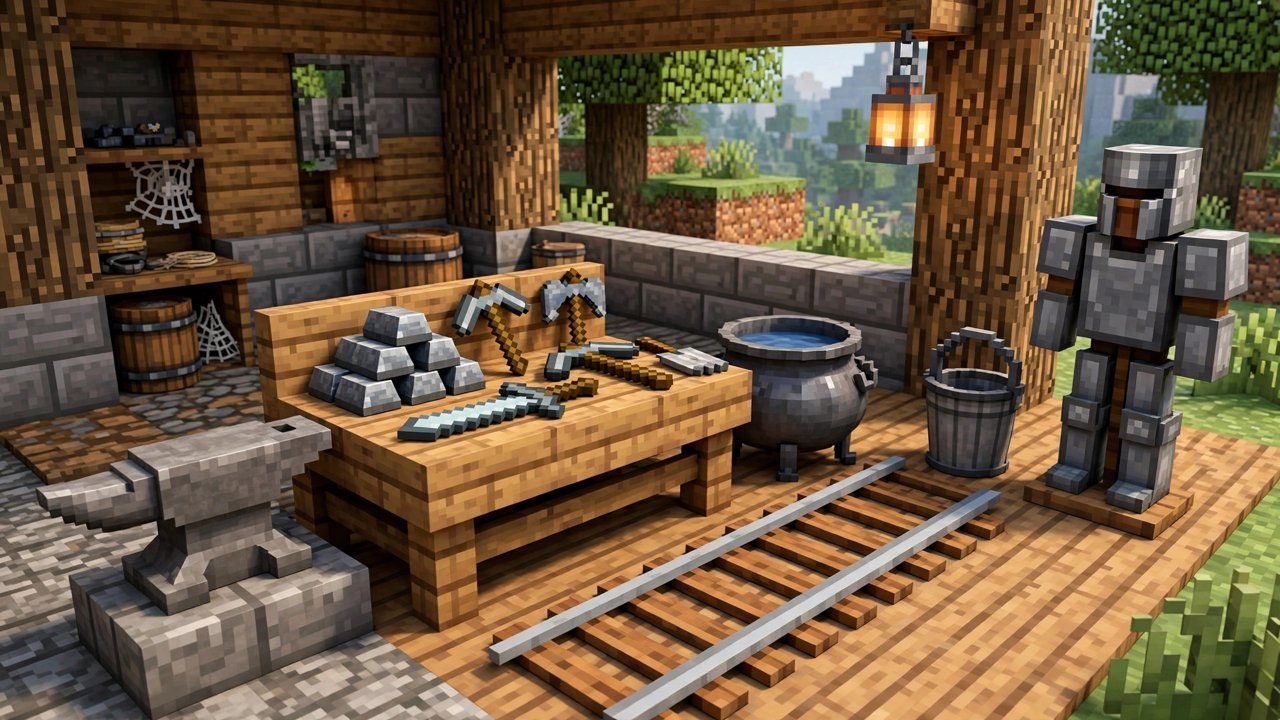
If Minecraft had a currency more honest than emeralds, it would be the iron ingot. You will smelt your first stack within the hour, and you will still be spending them a hundred hours later, because iron is woven into more systems than any other material in the game. Here are the six uses that matter most.
1. Craft Practically Everything
Start with the sheer breadth of the recipe book. One ingot or another goes into all of this:
- Tools and weapons: pickaxe, axe, sword, shovel, hoe, shears, flint and steel and the crossbow.
- Armor: the full iron armor set, plus the shield.
- Machines and redstone: hoppers, pistons, the crafter, cauldrons, chains, tripwire hooks and the smithing table.
- Railways: rails, detector and activator rails, and the minecart itself.
- Everyday essentials: buckets, compasses, iron doors, bars and trapdoors, stonecutters, blast furnaces and the mighty anvil.
- Itself, compressed: nine ingots form a block of iron, and one ingot breaks down into nine nuggets.
Very few projects in a Minecraft world do not consume iron somewhere along the way, which is why experienced players keep a chest of it permanently stocked.
2. Sell Them to Smith Villagers
Weaponsmiths, toolsmiths and armorers all buy iron ingots for emeralds once they reach apprentice level. On Bedrock Edition, each of the three smiths takes three ingots per emerald. On Java Edition, toolsmiths and weaponsmiths ask for four, while the armorer offers the trade about half the time. Pair that demand with an iron farm and you have one of the most reliable emerald engines in the game, which is why this trade consistently ranks among the best villager trades available.
3. Repair Iron Gear at an Anvil
An ingot is also a repair kit. Put a damaged iron tool, weapon or armor piece in an anvil together with iron ingots and each ingot restores a solid chunk of its durability, at the cost of some experience levels. For a favourite pickaxe you are not ready to retire, that is far cheaper than crafting a replacement from scratch.
4. Pay the Beacon
Beacons run on precious materials, and iron ingots qualify. Drop one into the beacon's payment slot, confirm with the green checkmark, and your chosen effect switches on. Iron is by far the cheapest acceptable payment, which makes it the sensible everyday choice for keeping a base beacon running.
5. Colour Armor Trims Grey
Since armor trims arrived, the ingot has had a cosmetic career too. Use one as the material in a smithing table alongside a trim template and an armor piece, and the pattern is laid down in a clean grey. Apply it to iron armor itself and the trim comes out a shade darker than the armor beneath, for a subtle two-tone look.
6. Heal Your Iron Golems
Finally, the use that feels most like first aid. Village iron golems are literally made of this stuff, and as they take damage their bodies crack in stages. Use an iron ingot on a wounded golem and it recovers 25 HP, twelve and a half hearts, per ingot. A few ingots after a raid and your village defender is back to full strength, which beats building a replacement.
Frequently asked questions
What is the single best use of iron ingots?
Crafting, without close competition. Buckets, hoppers, tools, armor, rails and machines all depend on iron, so a steady ingot supply unlocks more of the game than any other single use.
How much health does one iron ingot restore to an iron golem?
25 HP, which is twelve and a half hearts. Watch for the cracks on the golem's body to fade as you heal it back toward full health.
What are iron blocks used for?
Blocks of iron are compact storage for nine ingots, an ingredient in crafting the anvil, a valid material for beacon pyramids, and part of the structure used to build an iron golem.
Is iron gear better than gold gear?
Yes. Iron tools, weapons and armor are stronger and far more durable than their gold equivalents, which wear out quickly despite gold's other niche uses.
More Minecraft guides
 What Do Horses Eat in Minecraft? Every Food and Its EffectsUpdated 12 November 2026
 When Did Minecraft Come Out? Full Release TimelineUpdated 12 November 2026
 6 Best Uses of Wind Charge in MinecraftUpdated 12 November 2026
 6 Best Uses of Wither Roses in MinecraftUpdated 12 November 2026
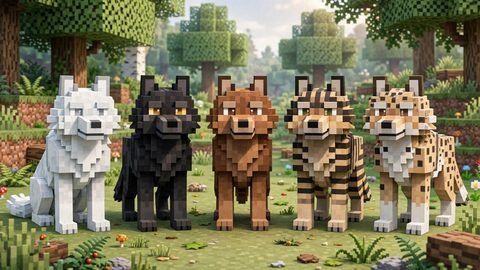 All Wolf Variants in Minecraft and Where to Find ThemUpdated 12 November 2026