Home › Minecraft › 9 Best Uses of Dyes in Minecraft
9 Best Uses of Dyes in Minecraft
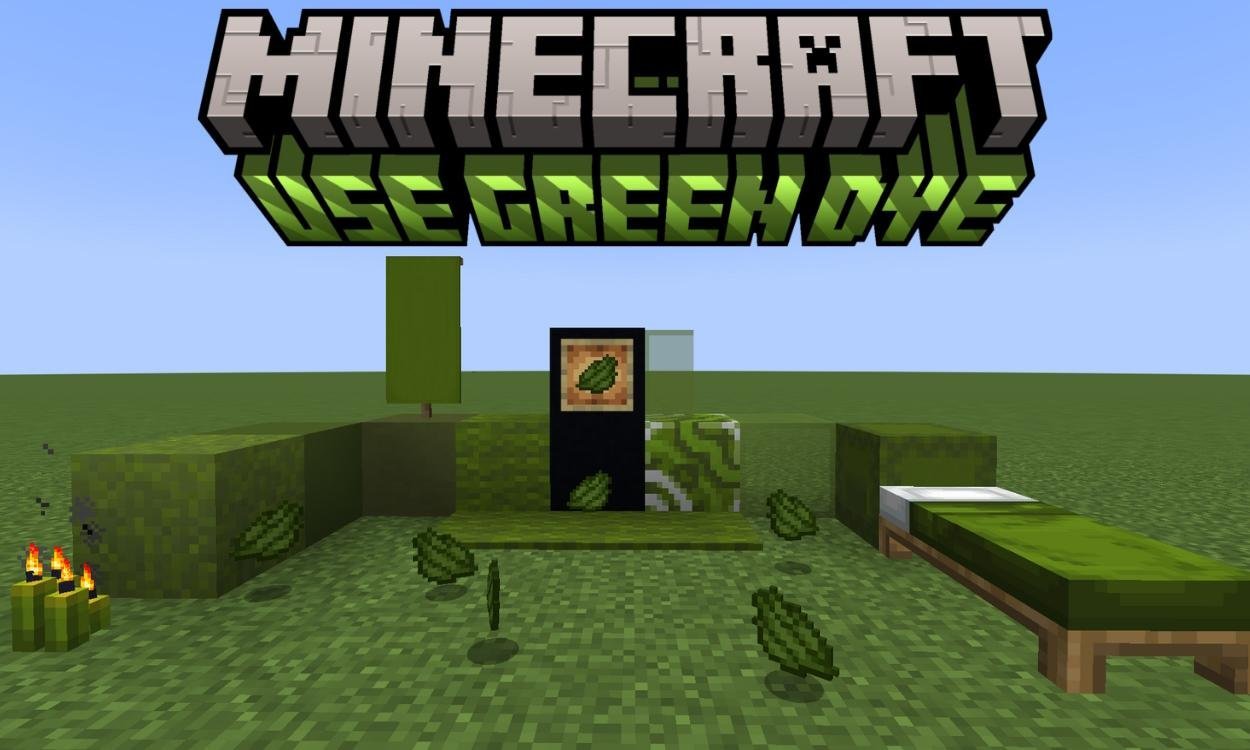
Sixteen colours sit in the dye menu, and most players use exactly one of them, once, on a bed. That is a waste of one of the most flexible item families in the game. Dyes are production inputs, building materials and decoration all at once — here are the nine uses that genuinely change how you play.
1. Dye Sheep for a Permanent Wool Supply
Use a dye on a sheep and its wool changes colour for good. Every time you shear it afterwards, the wool regrows in that same colour. One dye per sheep builds an entire rainbow wool farm that never needs re-dyeing, which is why serious banner and map-art builders start here.
2. Colour Pet Collars
Tamed wolves and cats wear collars, and a dye recolours them. It sounds cosmetic until you have six identical wolves: matching collar colours to names is the easiest way to tell your pack apart mid-fight.
3. Banner Patterns
At a loom, dyes are the ink for banner designs — stripes, crosses, skulls and gradients, layer on layer. Banners mark territory on servers, decorate shields and castle walls, and every pattern starts with dye.
4. Stain Blocks and Items
A dye placed in a crafting grid recolours wool, terracotta, glass, beds, shulker boxes, candles and carpets. Eight of the item around one dye handles whole stacks at once, so mass-producing a colour scheme for a build is cheap.
5. Concrete Powder
Concrete starts as dye too: one dye, four sand and four gravel craft eight blocks of concrete powder in that colour. Touch the powder with water and it hardens into smooth, saturated concrete — the backbone of modern-style builds.
6. Coloured and Glowing Sign Text
Use a dye on a sign to change its text colour, then a glow ink sac to add the glowing outline. Shops, labels and warning signs on multiplayer servers all rely on this to stay readable at night.
7. Firework Stars
A dye combined with gunpowder makes a firework star, and the dye decides the colour of the explosion when that star is built into a rocket. Mix several dyes into one star for multicoloured bursts over your base celebrations.
8. Mix New Dyes
Some colours are cheaper mixed than gathered. Green dye plus blue dye gives two cyan dye; green plus white gives two lime. Doubling your stock this way saves a lot of flower hunting and cactus smelting.
9. Trade Them to Shepherds
Expert-level shepherd villagers buy dyes — 12 of the colour they want for an emerald. If your world has a dye farm with a surplus colour, this turns decoration leftovers into currency.
What Dyes Cannot Do
Two limits surprise people. Fire cannot be dyed — campfire and torch flames stay their natural colour no matter what. And among armour, only leather can be dyed at all; iron, diamond and netherite gear keeps its metal finish. (Bundles, happily, take dye beautifully — they are becoming the colour-coded storage system of choice.)
Frequently asked questions
Does dyeing a sheep change its wool colour permanently?
Yes. Once dyed, a sheep regrows wool in that colour after every shearing, which makes dyed sheep flocks the foundation of efficient wool farms.
How do you make concrete powder with dye?
Combine one dye with four sand and four gravel in a crafting grid to get eight concrete powder in that colour. Place or drop the powder in water to harden it into concrete.
Can you dye armour in Minecraft?
Only leather armour can be dyed. Iron, gold, chainmail, diamond and netherite armour cannot be recoloured with dyes.
What do shepherd villagers buy?
Expert-level shepherds buy 12 dyes of a specific colour in exchange for an emerald, making them a good outlet for surplus dyes from a flower or cactus farm.
More Minecraft guides
 What Do Horses Eat in Minecraft? Every Food and Its EffectsUpdated 12 November 2026
 When Did Minecraft Come Out? Full Release TimelineUpdated 12 November 2026
 6 Best Uses of Wind Charge in MinecraftUpdated 12 November 2026
 6 Best Uses of Wither Roses in MinecraftUpdated 12 November 2026
 All Wolf Variants in Minecraft and Where to Find ThemUpdated 12 November 2026